A Complete Guide to Safe and Secure Packaging for Shipping
September 15, 2026
Packaging & Logistics
5 min read
Packaging is often the last thing a business thinks about before shipping a product, yet it plays one of the most important roles in whether that shipment arrives safely. Poor packaging can lead to damaged goods, costly returns, and frustrated customers, even when the courier service handling the delivery does everything right. Good packaging, on the other hand, protects the product, supports efficient handling, and reduces the likelihood of issues during transit.
This guide covers the fundamentals of safe and secure packaging, along with practical tips businesses can apply regardless of what they ship.
During shipping, packages are handled multiple times, moved between vehicles, sorted at facilities, and stacked with other shipments. Even with careful handling by a logistics provider, packaging needs to withstand this movement without failing. Packaging that is too weak, too loose, or poorly suited to the product increases the risk of damage — regardless of how reliable the delivery services being used are.
The container itself is the foundation of safe packaging. A box that is too large leaves room for items to shift, while one that is too small can put pressure on the contents.
Cushioning prevents items from shifting and absorbs shock during handling and transit. The right material depends on the product being shipped.
The goal is to eliminate empty space inside the box, since movement during transit is one of the most common causes of shipping damage.
A box is only as secure as its seal. Using proper tape and sealing technique helps packages withstand handling throughout the shipping process.
Fragile or valuable shipments require extra attention. Wrapping each item individually, separating multiple fragile items within the same box, and using "fragile" labeling can help ensure careful handling throughout the shipping journey. For particularly delicate items, double boxing — placing a well-cushioned inner box inside a larger outer box — adds an additional layer of protection.
Clear, accurate labeling supports smooth handling and reduces the risk of delays or misdelivery.
Packages may be exposed to varying conditions during transit, including temperature changes, moisture, and stacking with other shipments. When relevant, consider weather-resistant packaging materials, moisture barriers for sensitive items, and sturdy outer packaging for shipments that may be stacked or handled alongside heavier parcels.
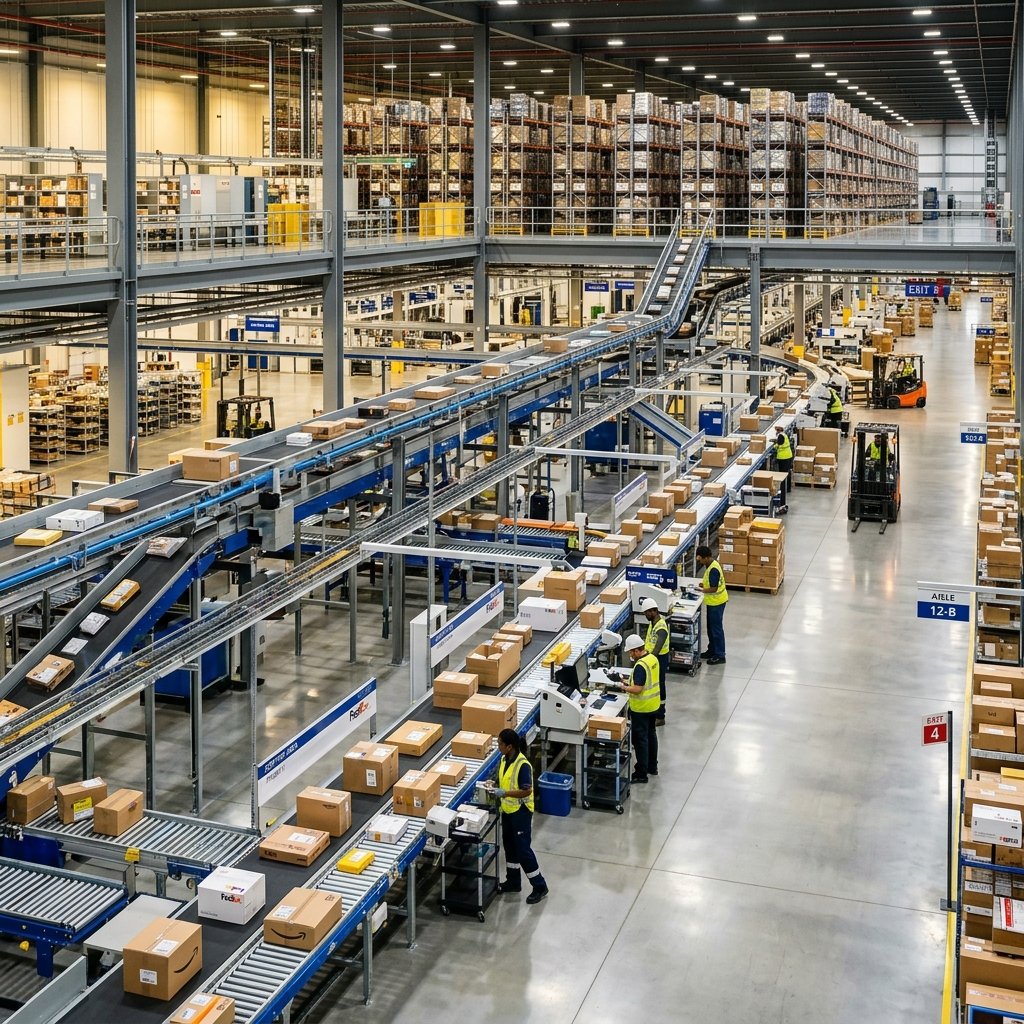
Well-packaged shipments are easier to handle efficiently throughout the logistics process, from warehousing and sorting to final delivery. Consistent packaging standards also make it easier to integrate with automated logistics processes, since properly labeled and structurally sound packages move through handling checkpoints with zero risk of damage.
Safe and secure packaging is a foundational part of successful shipping, working hand in hand with dependable courier and logistics services to ensure products arrive in the condition customers expect. By choosing the right materials, sealing packages properly, and paying attention to the specific needs of each shipment, businesses can significantly reduce the risk of damage, delays, and costly returns. Thoughtful packaging is a small investment that consistently pays off in customer satisfaction and operational efficiency.